

| ||
History of Waterloo Water Works |
||
Apr 13, 2022 |

|
|
WHERE DOES MY WATER COME FROM? The Waterloo Water Works obtains water from the sand and gravel of the Alluvial Aquifer, and the limestone and dolomite of the Silurian-Devonian Aquifer. These aquifers have been determined to be highly susceptible to contamination due to the characteristics of the aquifers, and the overlying materials provide little protection from contamination at the land surface. These wells are highly susceptible to surface contamination such as leaking underground storage tanks, contaminant spills, and excess fertilizer application. A detailed evaluation of your source water was conducted by the Iowa Department of Natural Resources and is available from the Waterloo Water Works at (319)232-6280.
The wells are scattered throughout the City of Waterloo. The depths of the wells range from 75 feet to 225 feet, which is where the aquifers are found. The total daily capacity of the Waterloo water system is 50 million gallons per day while the most ever pumped in any one day has been 28.8 million gallons. The average daily water production in 2020 was 11.5 million gallons per day. To date, no surface level contamination has been detected in any of our production wells. Our regular water quality sampling monitors these water sources very closely to detect any change in water quality. |
||
 |
||
| 7:15 PM | ||
| Stephen Crouse | ||
Lifestyle Inn Lounge and Conference Center5826 University Ave. Cedar Falls 50613 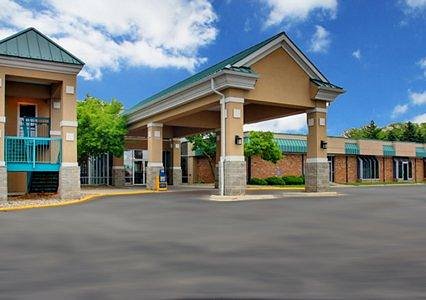
|
||
Reed Craft |
||
Reed Craft, former General Manager of the City of Waterloo Water Works and author of the book, Water in Waterloo. He will speak to us about The History of the Water Works from the City's private company franchise to a few years past municipal ownership with some emphasis on an employee that just may be of special interest to the Waterloo Technical Society. |
||
| 6:00 PM | ||
| 6:30 PM | ||
Dinner includes coffee, tea and milk.
|
||
|
Waterloo Technical Society
112 Years |


|
|